Navigating Reward Ecosystems: The Critical Role of Banking Flexibility in Mobile Gaming Advancement
Written by Quinn Lange · Oct 8, 2026
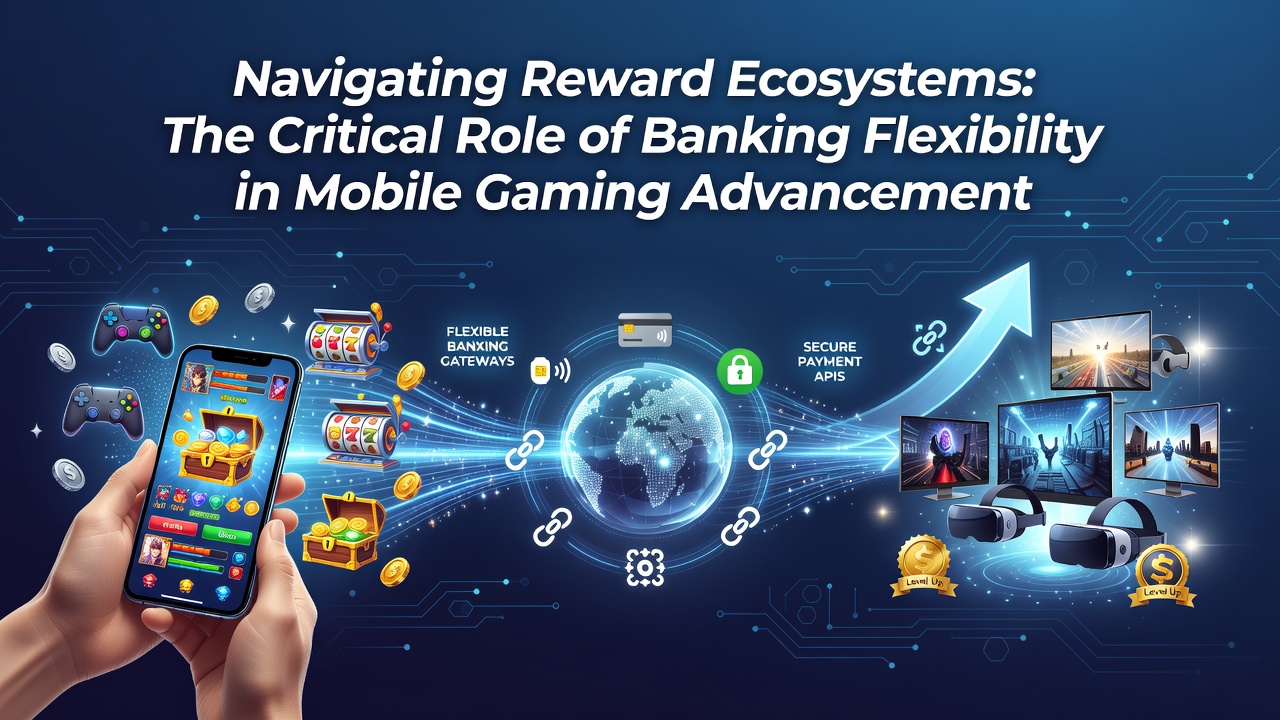
Navigating Reward Ecosystems: The Critical Role of Banking Flexibility in Mobile Gaming Advancement
Research from industry analysts shows that reward ecosystems in mobile gaming have expanded rapidly since the early 2020s, with systems now integrating loyalty points, tiered bonuses, and real-time incentives across platforms that support both free-to-play and real-money models. Data from global market reports indicate that players advance through these ecosystems when transaction processes allow seamless movement between deposits, withdrawals, and reward redemptions, particularly on devices that dominate daily usage patterns in regions such as North America and Asia-Pacific.
Banking flexibility enters the picture as the mechanism that supports continuous engagement, since rigid payment rails often create friction that stalls progression toward higher reward levels. Figures released by the American Gaming Association in 2025 highlight how integrated payment solutions correlate with higher retention rates in mobile environments, where users expect instant confirmations rather than delays that break immersion during live events or limited-time challenges.
How Reward Structures Operate in Contemporary Mobile Titles
Modern mobile gaming environments layer multiple reward components, including daily login streaks, achievement milestones, and VIP ladders that unlock exclusive content or enhanced payout multipliers. These structures rely on data tracking that monitors play frequency, spend volume, and session duration, then translates those metrics into tangible benefits such as bonus credits or accelerated access to premium features. Observers note that advancement accelerates when players can adjust funding sources mid-session without exiting the application, a capability that banking partners have refined through API connections established with major app stores and independent studios.
Studies conducted by research firms such as Newzoo demonstrate that titles incorporating flexible banking see measurable upticks in average revenue per user during promotional windows, because participants face fewer barriers when converting in-game currency or claiming cash-equivalent prizes. In October 2026, updated compliance frameworks from the Malta Gaming Authority are scheduled to take effect, requiring clearer disclosure of transaction fees across mobile channels, a change expected to standardize how operators present banking choices to users navigating reward paths.
The Mechanics of Banking Flexibility and Player Progression
Flexible banking encompasses support for multiple methods, from traditional card networks and digital wallets to emerging options like instant bank transfers and cryptocurrency rails where regulations permit. Each method carries distinct settlement speeds and fee structures that influence how quickly rewards convert into usable balances. When a system accepts varied inputs, players maintain momentum through reward cycles instead of pausing to locate compatible funding, an outcome documented in transaction logs analyzed by payment processors serving the sector.
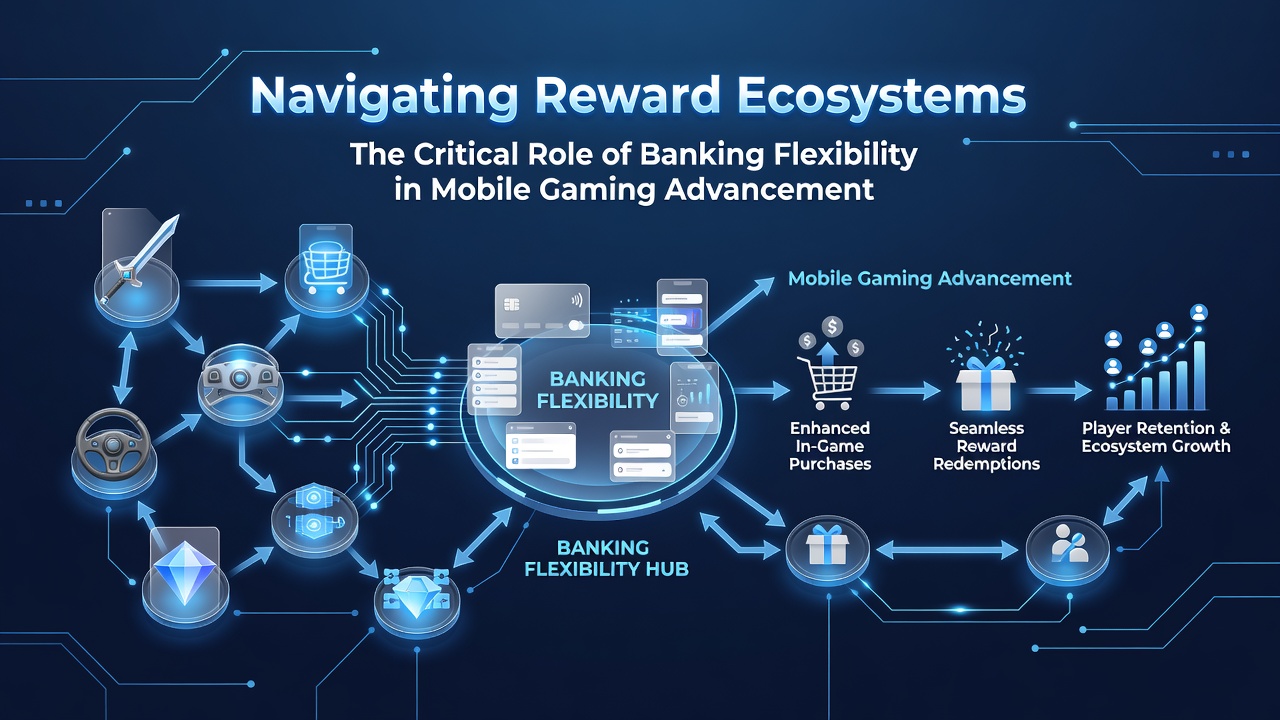
Evidence compiled by the European Gaming and Betting Association points to reduced drop-off rates at reward redemption checkpoints when operators deploy at least three concurrent banking options alongside real-time status updates. Those who have examined player behavior data across European markets find that session lengths extend when withdrawal requests process within minutes rather than hours, allowing immediate reinvestment into activities that generate further loyalty points. This pattern holds across genres that blend chance elements with progression mechanics, where timing directly affects perceived value of accumulated rewards.
Regional Variations and Regulatory Influences on Flexibility
Approaches differ by jurisdiction, with some markets mandating specific authentication layers that affect transaction velocity while others prioritize consumer protection through spending caps tied to reward tiers. Canadian provincial frameworks, for instance, emphasize responsible gaming tools that integrate directly with banking interfaces, giving users granular control over deposit limits that align with their advancement goals. Such integrations prevent abrupt halts in play that could otherwise reset progress toward seasonal or event-based incentives.
Industry reports from 2025 indicate that operators adapting early to these varied requirements maintain steadier user bases, since banking adaptability becomes a competitive differentiator rather than a compliance afterthought. Data shows cross-border players particularly benefit when platforms recognize regional preferences without requiring account reconfiguration, preserving continuity in reward accumulation regardless of location shifts.
Technical Infrastructure Supporting Seamless Transactions
Backend systems now employ tokenization and encryption protocols that secure data flows between mobile clients, payment gateways, and reward ledgers. These layers operate in tandem so that a single authorization covers both the monetary transfer and the corresponding update to a player's loyalty profile. Research indicates that platforms investing in such unified architectures experience fewer reconciliation errors, which previously disrupted reward distribution during high-volume periods like holiday events or tournament launches.
Advancements in cloud-based processing have shortened verification windows to seconds in many cases, enabling real-time reflection of new balances within game interfaces. This speed matters because reward ecosystems often feature time-sensitive elements, such as multiplier windows or limited-quantity item drops, where delays translate into missed opportunities for advancement.
Conclusion
Banking flexibility functions as the connective tissue within mobile gaming reward ecosystems, allowing players to sustain engagement across deposit, play, and redemption phases without interruption. Data from multiple regulatory and industry sources confirm that adaptable payment options align directly with higher progression rates through tiered structures, a relationship expected to strengthen as October 2026 compliance updates and ongoing technical refinements take hold. Those monitoring these developments observe that continued evolution in this area will shape how reward systems scale across emerging devices and markets.