Funding Filters: How Transaction Choices Define VIP Access Rules in App-Based Play Venues
Written by Klara Baumann · Sep 10, 2026
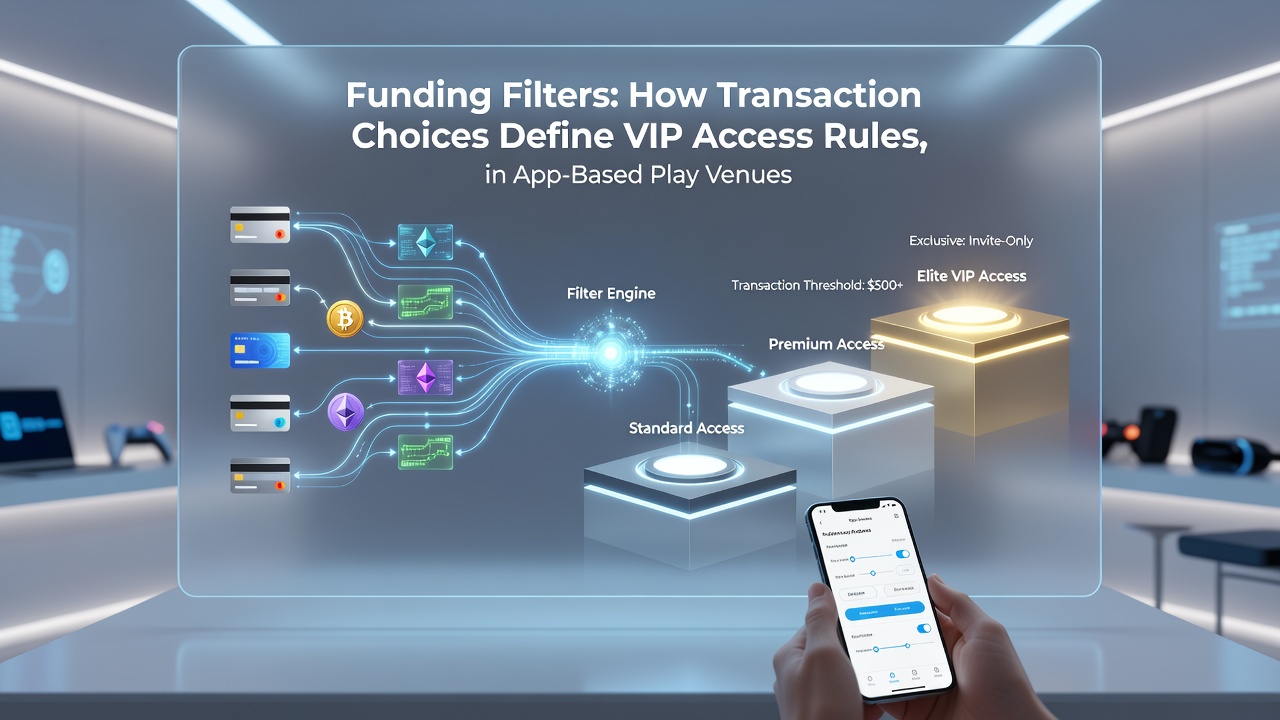
Funding Filters: How Transaction Choices Define VIP Access Rules in App-Based Play Venues
Transaction choices in app-based play venues operate as funding filters that sort users into different access levels based on deposit speed, volume, and method, with many platforms tracking these patterns to set VIP entry points. Observers note that players who select faster options like certain e-wallets complete qualification requirements ahead of those using slower bank transfers, which creates distinct pathways through the tier system. Data from platform analytics indicates that deposit frequency combined with total amount often determines how quickly someone advances, while the underlying payment rail influences whether those deposits register in real time or after delays.
Mechanics Behind Transaction-Driven Access
App operators apply algorithms that monitor incoming transactions for criteria such as processing time under one hour, minimum single-deposit size, and recurring patterns across weekly intervals, and these metrics feed directly into automated VIP eligibility checks. Researchers at gaming analytics firms have documented cases where users switching to instant methods saw their qualifying spend accumulate 30 percent faster than peers relying on card authorizations that require additional verification steps. The result appears in tiered reward structures where higher access unlocks only after a threshold of filtered transactions clears, which ties VIP status tightly to payment behavior rather than total playtime alone.
Payment Methods adn Their Filtering Effects
E-wallets, prepaid cards, bank transfers, and emerging digital currencies each carry different settlement speeds that platforms factor into VIP calculations, with instant options typically accelerating progress while traditional routes introduce lags that extend qualification periods. One analysis of North American mobile venues revealed that e-wallet users reached mid-tier status after an average of four deposits, whereas bank-transfer users needed six or more because of multi-day clearing times. Those patterns hold across multiple operators because the software flags transaction metadata at the point of deposit, then applies weighting based on reliability and speed before updating user profiles.
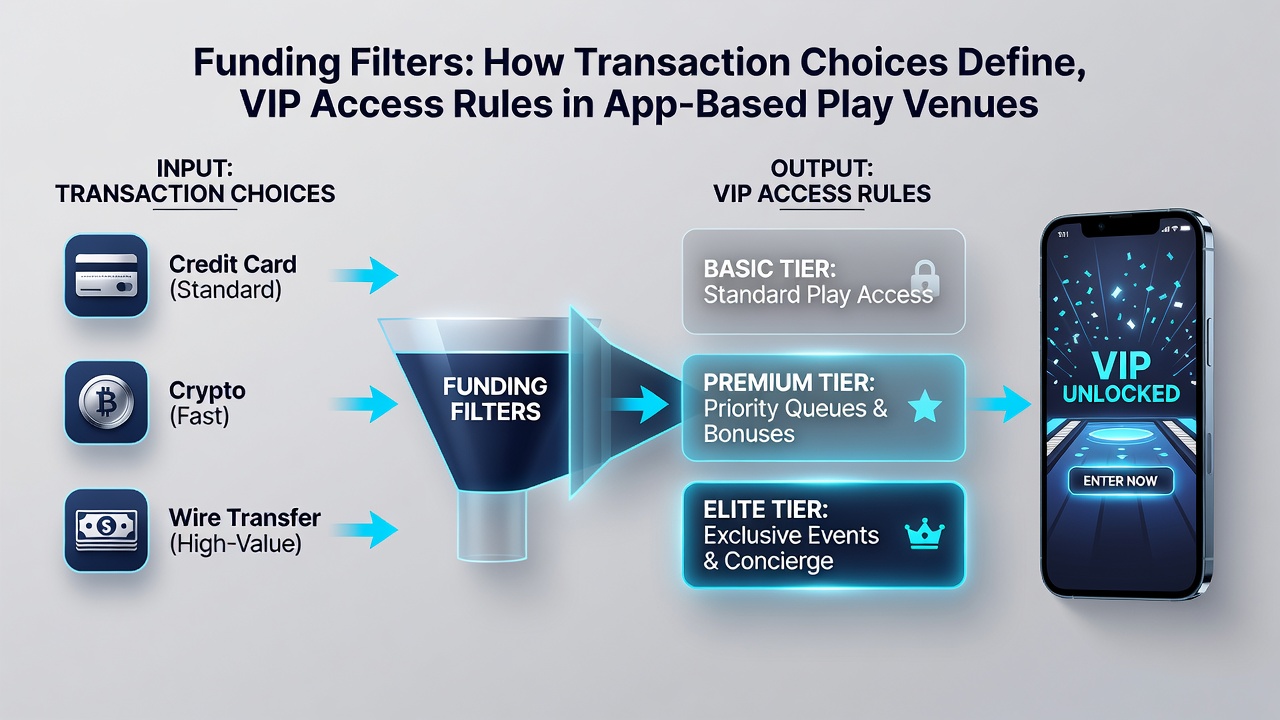
Additional filters sometimes incorporate fee structures, where low-cost or fee-free methods receive higher priority scores that count toward tier advancement, while higher-fee options may require larger volumes to offset perceived friction. According to records maintained by the Alcohol and Gaming Commission of Ontario, transaction transparency requirements have pushed operators to publish clear weighting tables so users understand how each payment rail maps to eligibility timelines. In parallel, studies from the University of Nevada, Las Vegas gaming research center show that cryptocurrency deposits, when supported, often bypass traditional verification bottlenecks and therefore compress the interval between first deposit and VIP invitation.
Regional Rule Variations Across Jurisdictions
Rules differ by licensing region, with Canadian provincial frameworks emphasizing documented transaction history, Australian state regulators focusing on responsible transaction limits, and certain U.S. state boards requiring proof of consistent funding sources before granting elevated status. These differences mean that an app user moving between jurisdictions may encounter altered filter weights even when using the same payment method. Figures released by the Victorian Commission for Gambling and Liquor Regulation illustrate how deposit-method caps in one market force operators to adjust VIP pathways, which in turn changes the qualifying transaction mix for players in that area.
App developers respond by embedding region-specific logic that reads the user location at login and applies the corresponding filter set, which keeps compliance intact while preserving the core connection between transaction choice and access level. Observers tracking these adaptations note that the underlying data pipelines remain consistent even as the numerical thresholds shift, allowing cross-border operators to maintain uniform backend systems.
Behavioral Patterns and Platform Responses
Users who understand the weighting often migrate toward methods that register deposits most efficiently, and platform data logs confirm increased adoption of instant rails among those approaching tier thresholds. This migration creates feedback loops where operators refine their filters to balance speed incentives against risk controls, such as velocity checks that prevent rapid successive deposits from triggering automatic upgrades. Research reports compiled by European gaming trade groups indicate that such adjustments have stabilized VIP cohort sizes while still rewarding transaction efficiency.
By September 2026, several major operators plan to integrate predictive scoring that anticipates future transaction behavior based on historical patterns, which would allow preemptive VIP adjustments before thresholds are fully met. These updates rely on the same funding-filter infrastructure already in place, simply layering machine-learning models onto existing transaction metadata streams.
Conclusion
Transaction choices continue to function as primary filters that define VIP access in app-based venues because they supply measurable, automated signals operators can act upon without manual review. Different payment rails produce different qualification speeds, regional regulations impose varying weights on those signals, and user behavior adapts accordingly. The resulting system links funding method directly to access level across multiple markets, with ongoing refinements scheduled through 2026 that will further embed transaction data into eligibility algorithms.