Encryption Protocols Streamlining Fund Movements to Enhance Member Privileges in App-Driven Jackpot and Table Game Sessions
Written by Mia Albrecht · Sep 24, 2026
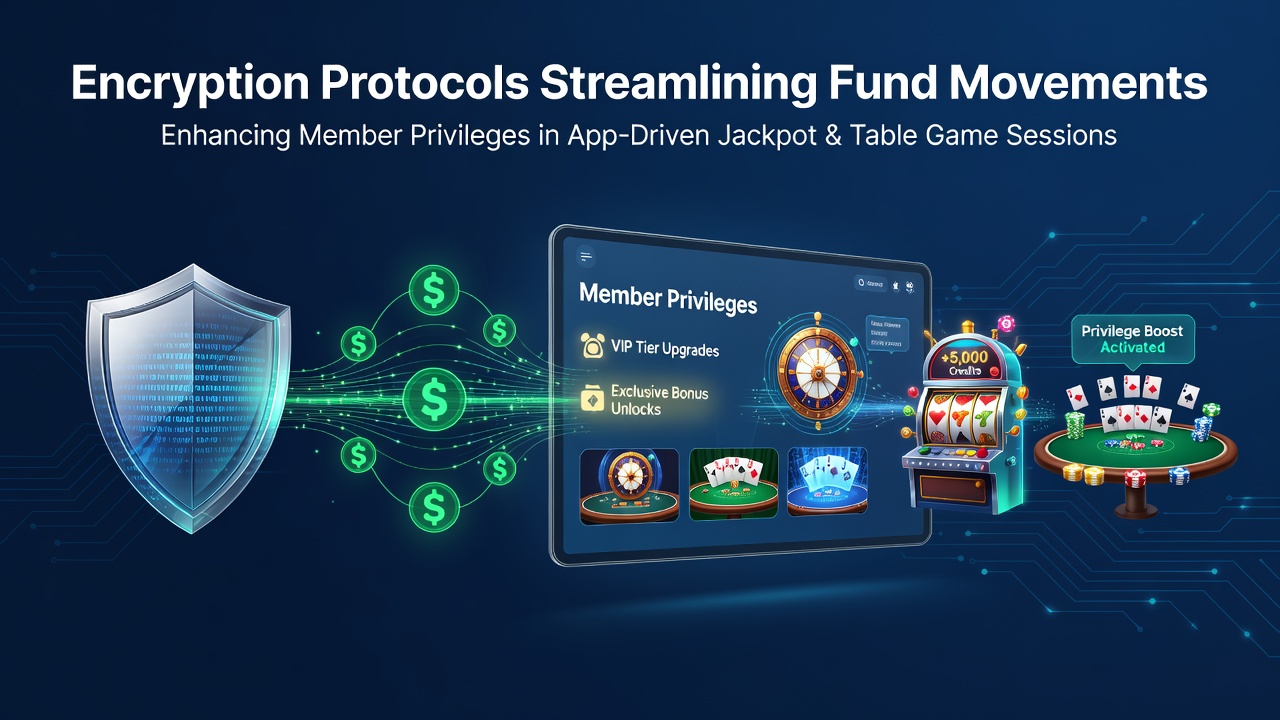
Encryption Protocols Streamlining Fund Movements to Enhance Member Privileges in App-Driven Jackpot and Table Game Sessions
Encryption protocols form the backbone of secure fund movements in app-driven jackpot and table game sessions where players access progressive prizes and live dealer interactions through mobile platforms, and these systems rely on advanced cryptographic methods to process transactions while maintaining data integrity across global networks.
Core Protocols Driving Secure Transactions
Transport Layer Security versions 1.3 and Advanced Encryption Standard with 256-bit keys handle the majority of data exchanges in casino applications, and these standards encrypt player account details during deposits and withdrawals so that information travels between devices and servers without interception risks, while symmetric and asymmetric key exchanges allow quick verification of user identities before any funds move. Observers note that protocols such as these reduce processing delays because automated checks replace manual reviews in many cases, and this efficiency supports continuous play in jackpot slots and roulette wheels where timing affects session outcomes.
Researchers at institutions including those affiliated with the National Institute of Standards and Technology have documented how elliptic curve cryptography accelerates authentication steps in mobile environments, and data from their publications shows that transaction confirmation times drop when these methods integrate with existing payment gateways. In September 2026 updates to regulatory frameworks in several jurisdictions will require even stricter key rotation schedules, and operators who adopt the changes early can offer members expedited access to loyalty tiers based on verified activity logs that encryption safeguards end to end.
Integration with App Features for Jackpot and Table Games
App-driven sessions in jackpot games and table formats depend on real-time balance updates that encryption protocols protect during every stake placement and payout calculation, and this protection extends to live dealer feeds where card shuffles and wheel results trigger automatic fund adjustments. Multi-party computation techniques now appear in some platforms so that multiple verification nodes confirm transfers without exposing raw data, and such approaches allow members to maintain higher privilege levels because their transaction histories remain intact and auditable over extended periods.
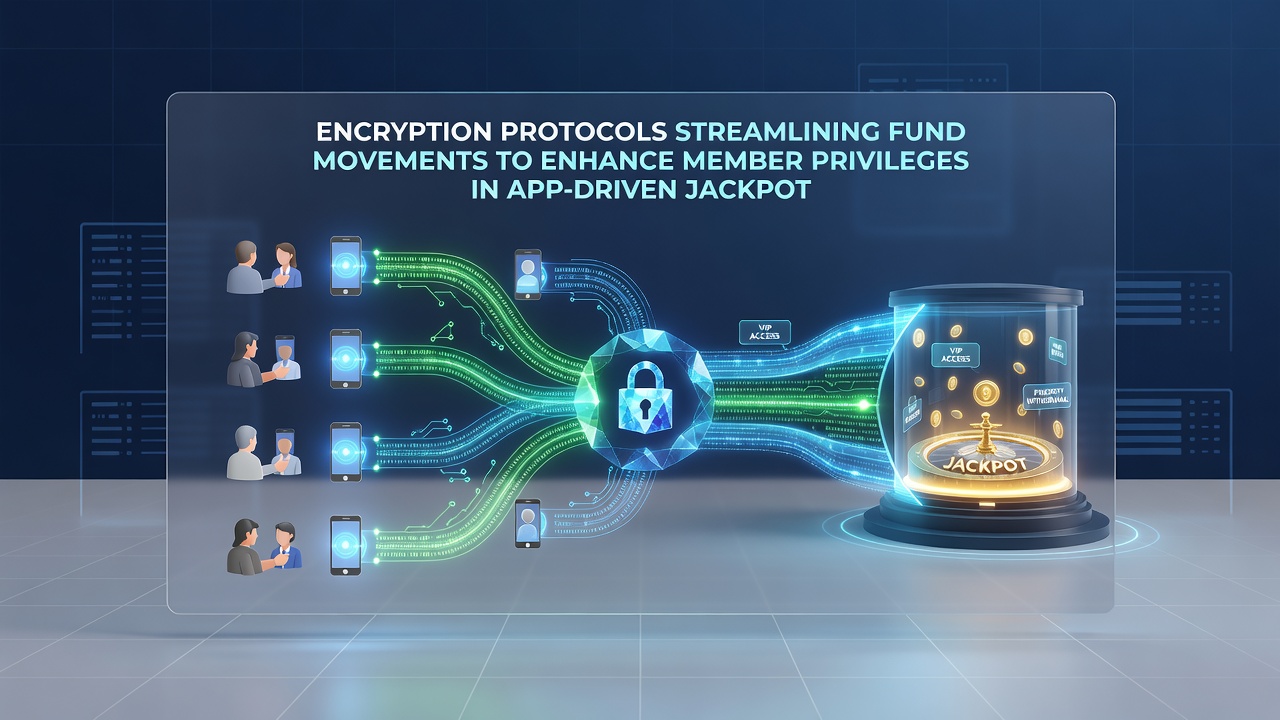
Those who monitor industry reports from the European Union Agency for Cybersecurity find that platforms using quantum-resistant algorithms experience fewer session interruptions when network conditions fluctuate, and this stability translates into consistent accumulation of points that unlock exclusive jackpot entries or reserved table seats. Game sessions that once paused for security clearances now proceed uninterrupted because encryption handles validation in milliseconds rather than seconds, and the result appears in smoother flows from lobby navigation to active play across both progressive prize pools and dealer-led tables.
Effects on Member Privileges and Access Levels
Member privileges expand when encryption protocols enable granular control over fund visibility and movement speeds, and operators grant tiered benefits such as reduced minimum withdrawal thresholds or priority jackpot participation once accounts demonstrate consistent encrypted transaction patterns. According to studies published through academic channels in Australia, encrypted audit trails help platforms distinguish high-value users more accurately so that reward structures align with actual play volume rather than estimates, and this precision supports targeted offers in September 2026 as new compliance tools roll out.
Secure key management systems also protect against account linkage issues that previously delayed privilege upgrades, and players who maintain verified encrypted sessions gain entry to invitation-only table game variants where stakes scale with accumulated status. Industry associations tracking these developments report that adoption rates for enhanced protocols correlate with measurable increases in session duration because users experience fewer authentication hurdles during fund transfers, and the pattern holds across multiple device types and operating systems.
Future Developments and Regulatory Context
Standards bodies continue to refine post-quantum encryption methods that will apply to casino applications by the end of the decade, and early implementations already appear in select markets where regulators emphasize long-term data protection for financial records tied to jackpot wins and table outcomes. These advancements allow platforms to process cross-border transfers with added layers that still meet speed requirements for live sessions, and members benefit through faster privilege confirmations that rely on unbroken encryption chains rather than repeated manual interventions.
Evidence from collaborative research between North American and European centers indicates that combined protocol suites reduce error rates in fund reconciliation by measurable margins, and operators incorporate these findings when designing mobile interfaces for both jackpot chases and dealer interactions. The result shows in expanded access options where encryption underpins every step from initial deposit to final withdrawal without creating bottlenecks that affect game flow.
Conclusion
Encryption protocols continue to shape how fund movements support member privileges within app-driven jackpot and table game environments, and their ongoing evolution aligns with regulatory timelines such as those expected in September 2026. Platforms that integrate current standards maintain secure pathways that facilitate both immediate play and long-term status advancements while preserving the integrity of all transaction data.