Customer Assistance Networks Bridging Game Exploration, Financial Transactions, and Agreement Adherence in Handheld Betting Applications
Written by Katja Richter · Aug 5, 2026
Customer Assistance Networks Bridging Game Exploration, Financial Transactions, and Agreement Adherence in Handheld Betting Applications
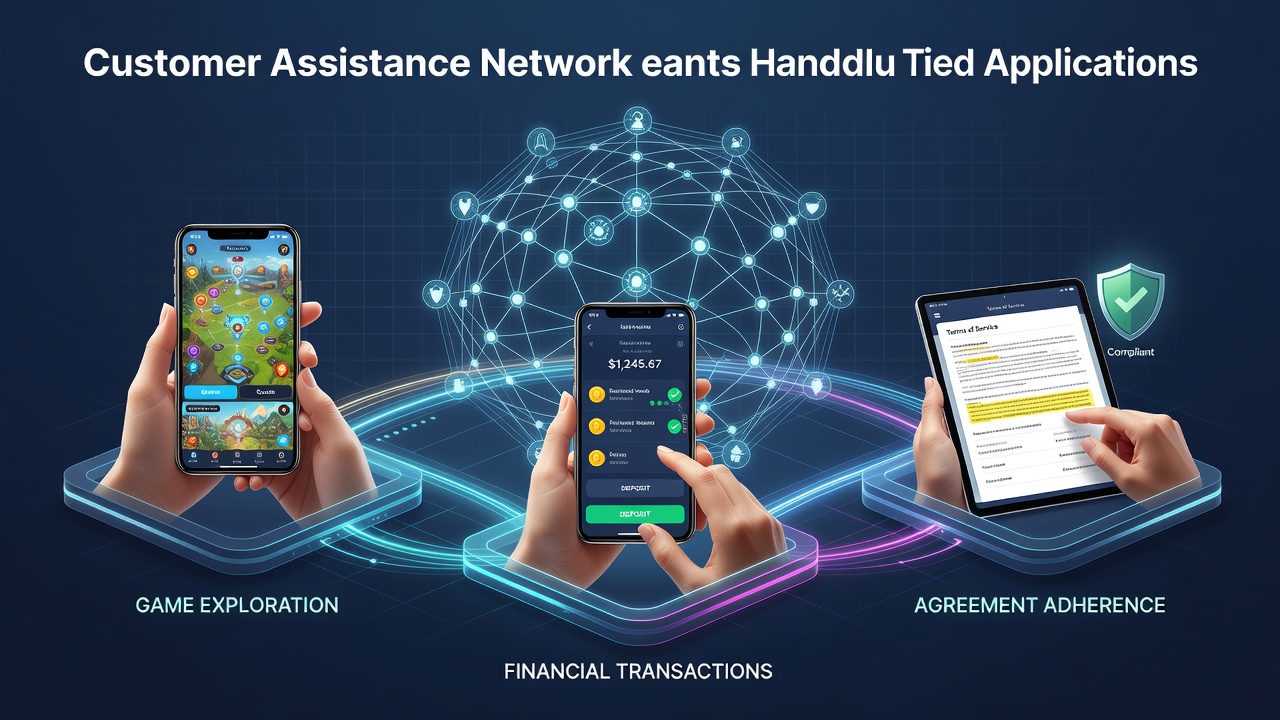
Customer assistance networks in handheld betting applications connect three core areas that users encounter daily: game exploration, financial transactions, and agreement adherence. These networks operate through integrated support channels that link real-time chat systems, automated response tools, and human agents who guide players across mobile platforms. Data from August 2026 shows mobile betting sessions averaging 45 minutes per user, with support interactions occurring in roughly 12 percent of those sessions according to figures released by iGaming Ontario.
Support teams help users navigate game libraries by explaining rules, volatility levels, and bonus mechanics directly inside the app interface. Agents often pull up specific game screens during live chats so players can see paytable details or bonus round triggers without leaving the session. This approach reduces drop-off rates during the exploration phase because users receive immediate clarification rather than searching through separate help menus.
Linking Exploration to Transaction Support
When players move from browsing games to funding accounts, the same assistance networks handle payment queries without requiring users to switch between departments. Agents verify deposit methods, explain processing times for different wallets, and troubleshoot failed transactions while the user remains in the app. Research conducted by the Australian Institute of Criminology in 2025 found that integrated support reduced average resolution time for payment issues from 18 minutes to under seven minutes on mobile platforms.
These networks also monitor transaction patterns that intersect with game activity. For instance, an agent might notice repeated small deposits paired with quick spins on high-volatility titles and flag the session for a responsible gambling check. The system then routes the user to both a payment specialist and a compliance advisor in a single coordinated response.
Agreement Adherence Through Coordinated Guidance
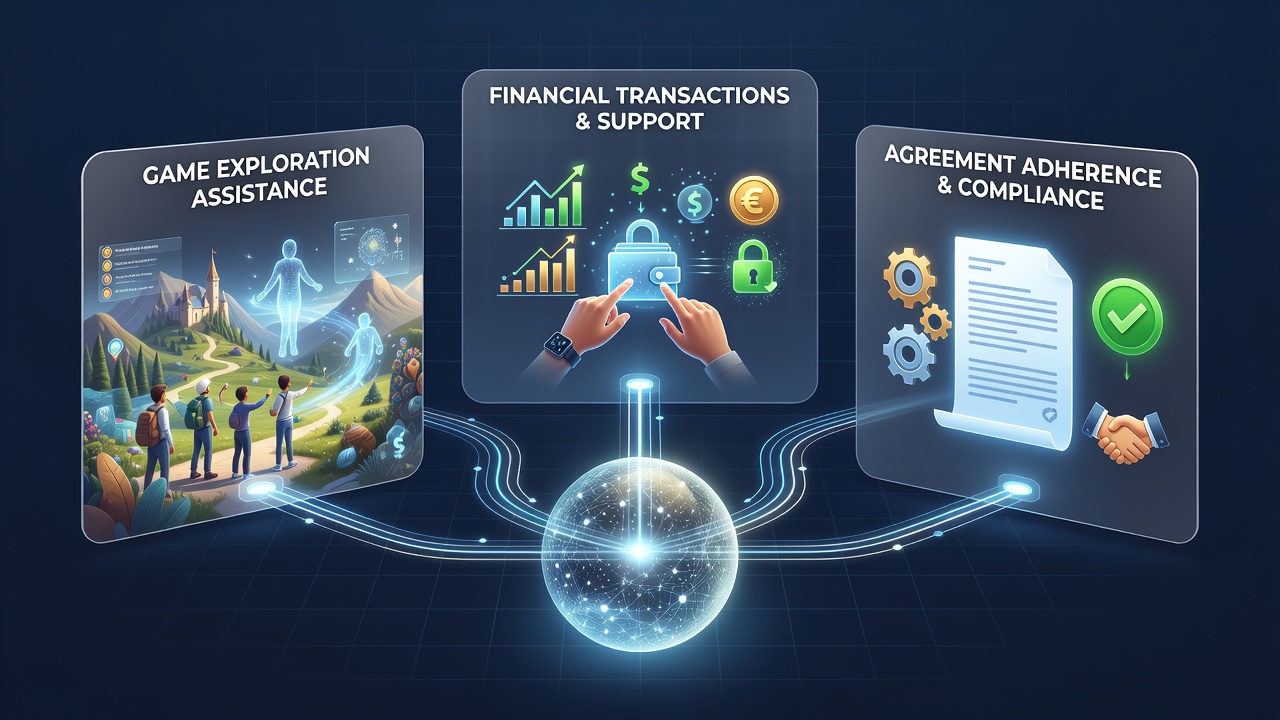
Terms and conditions form the backbone of every handheld betting application, yet users frequently encounter questions about wagering requirements, withdrawal limits, and self-exclusion rules. Customer assistance networks embed compliance explanations into every stage of the user journey rather than treating them as a separate module. Agents reference specific clauses during game recommendations or payment approvals so players understand restrictions before committing funds.
Operators have implemented shared databases that surface relevant agreement sections based on user actions. When a player attempts a withdrawal after claiming a bonus, the system automatically displays the remaining wagering requirement and connects the user to an agent who can walk through the calculation in real time. This method aligns with standards set by the Malta Gaming Authority for transparent communication in remote gambling environments.
Case Examples from Mobile Platforms
One documented workflow involves a player exploring live dealer tables on a tablet device who encounters a question about side bet rules. The support agent explains the rule, then notes the user has not yet completed identity verification required for larger stakes. The agent initiates the verification process and simultaneously confirms the payment method on file, completing both steps within the same chat thread. Such combined handling appears in operator reports from multiple jurisdictions including New Jersey and Ontario.
Another pattern shows agents using screen-sharing features to demonstrate how a bonus code applies across different game categories. During the demonstration the agent highlights the terms that govern maximum bet sizes during bonus play, preventing later disputes when winnings are calculated. Data released by the Nevada Gaming Control Board indicates that proactive term explanations of this type correlate with a 23 percent drop in bonus-related complaints during the first half of 2026.
Technical Infrastructure Behind the Networks
Modern assistance systems rely on unified ticketing platforms that tag each interaction with categories for game type, payment method, and compliance topic. Machine learning models then route follow-up messages to the appropriate specialist while maintaining full conversation history. This architecture allows a single support request to span multiple domains without forcing the user to repeat details.
Security protocols require agents to authenticate users before discussing financial or account-specific agreement details. Multi-factor checks occur within the app itself so players never need to leave the betting environment. These measures satisfy regulatory expectations across several markets while keeping support interactions fluid.
Conclusion
Customer assistance networks in handheld betting applications function as connective tissue between game exploration, financial transactions, and agreement adherence. By maintaining shared data views and coordinated agent workflows, these systems enable users to move through different app functions with consistent guidance. Figures from regulatory bodies and research institutions continue to track how such integration affects session length, complaint volume, and compliance metrics across mobile platforms.